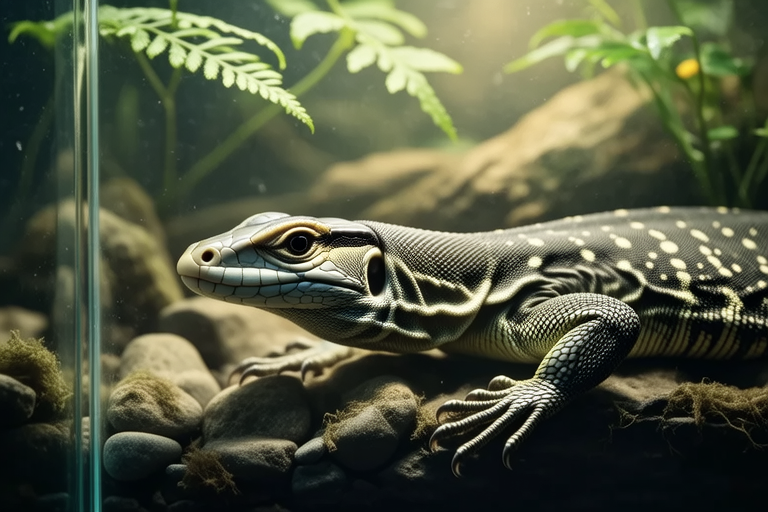
From Jungle to Home: The Thrilling World of Keeping a Water Monitor as a Pet
Introduction
Welcome to the fascinating world of the water monitor (Varanus salvator), one of the largest lizards that can be found in captivity. These impressive creatures hail from Southeast Asia, where they inhabit a diverse range of environments, from dense jungles to mangrove swamps and riverbanks. With their sleek bodies, powerful tails, and sharp claws, water monitors are well-adapted for life in the wild, where they are skilled hunters and climbers. However, despite their formidable appearance, many reptile enthusiasts dream of bringing this piece of the jungle into their homes. This article will explore the thrilling world of keeping a water monitor as a pet, delving into their natural habitat, behaviors, and the responsibilities involved in caring for these magnificent creatures.
The Natural Habitat and Behaviors of Water Monitors
In the wild, water monitors are highly adaptable and can be found in various ecosystems across Southeast Asia, from India to Indonesia. They thrive in areas near freshwater sources, where they can hunt for fish, amphibians, small mammals, and even birds. Their long, muscular tails enable them to swim efficiently, allowing them to dive deep and stay submerged for extended periods. On land, water monitors are equally at home, using their strong limbs to climb trees and navigate through dense vegetation. They are also known for their intelligence, often exhibiting problem-solving behavior and even showing signs of social interaction with humans.
Water monitors are solitary animals, and they establish territories that they defend aggressively against intruders. Males, in particular, are known to engage in fierce battles during the breeding season. Despite their solitary nature, they are not without social cues, and they can communicate through body language, vocalizations, and chemical signals. Their keen sense of smell helps them locate prey and navigate their environment, making them efficient predators in the wild.
Responsibilities and Considerations for Potential Owners
Before embarking on the journey of owning a water monitor, it’s essential to understand the significant commitment involved. These animals grow rapidly and can reach lengths of up to six feet or more, requiring ample space to thrive. A spacious enclosure is crucial, providing enough room for the lizard to move around, climb, and swim. An adult water monitor will need an enclosure that measures at least 8 feet long, 4 feet wide, and 6 feet high. The enclosure should also include a secure water area, as water monitors spend a considerable amount of time in water, and they require a temperature gradient within the enclosure to regulate their body temperature.
Dietary needs are another critical consideration. Water monitors are carnivorous and require a varied diet to ensure optimal health. Their menu should consist of live prey items such as mice, rats, feeder fish, and insects. Younger monitors may also benefit from the occasional offering of eggs or chicks. It’s important to note that overfeeding can lead to obesity, so portion control is necessary. Additionally, a calcium supplement should be provided to prevent metabolic bone disease.
Healthcare is paramount when it comes to maintaining the well-being of your water monitor. Regular veterinary check-ups are recommended to monitor the lizard’s overall health and address any potential issues early on. Parasite control, vaccination, and routine husbandry practices like substrate maintenance and enclosure cleaning are all part of responsible ownership. Moreover, owners should be prepared for the possibility of injuries or illnesses that may require immediate attention.
Tips on Proper Housing and Handling
Housing a water monitor requires careful planning and execution. The enclosure should mimic their natural habitat as closely as possible, with branches for climbing, rocks for basking, and a water area that allows for swimming and soaking. Substrate choices should be safe and easy to clean, with options like reptile carpet or paper towels being popular among owners. Lighting is also crucial, providing UVB rays to support calcium metabolism and heat lamps to maintain appropriate temperatures. A day-night cycle should be established to simulate natural conditions.
Handling water monitors demands caution and respect for their strength and agility. While they can become accustomed to human interaction, they remain wild animals capable of inflicting harm if provoked or mishandled. Always approach your monitor slowly and gently, avoiding sudden movements that might startle it. When handling, ensure that you have a firm grip but avoid squeezing too tightly. Never grab the lizard by its tail, as this can cause injury. Instead, use both hands to support its body and provide a secure hold.
Rewarding Aspects of Owning a Water Monitor
Owning a water monitor can be an incredibly rewarding experience for those who are prepared for the challenge. Watching these majestic creatures grow and thrive under your care can be deeply satisfying. Their intelligence and adaptability make them intriguing companions, and their unique behaviors can captivate both children and adults alike. However, it’s important to remember that owning a water monitor is not just about personal enjoyment; it’s also about responsibility and ethical considerations.
Legal and ethical considerations are paramount when deciding to keep a water monitor as a pet. Many countries have strict regulations regarding the importation and ownership of exotic pets, and it’s crucial to research and comply with local laws. Additionally, the welfare of the animal should always be a top priority. Choosing a reputable breeder or rescue organization can help ensure that your monitor was obtained ethically and has been cared for properly before coming into your possession. Responsible ownership involves providing the best possible care, adhering to ethical standards, and contributing positively to the conservation of these remarkable animals.
In conclusion, keeping a water monitor as a pet is a thrilling and rewarding endeavor for those willing to commit to the challenges and responsibilities involved. By understanding their natural habitat, behaviors, and specific needs, you can provide a loving and enriching environment for your monitor. Remember, owning a water monitor is not just about having a pet; it’s about fostering a relationship built on mutual respect and care. With proper preparation and dedication, you can enjoy the unique bond that comes with sharing your home with one of nature’s most fascinating creatures.
