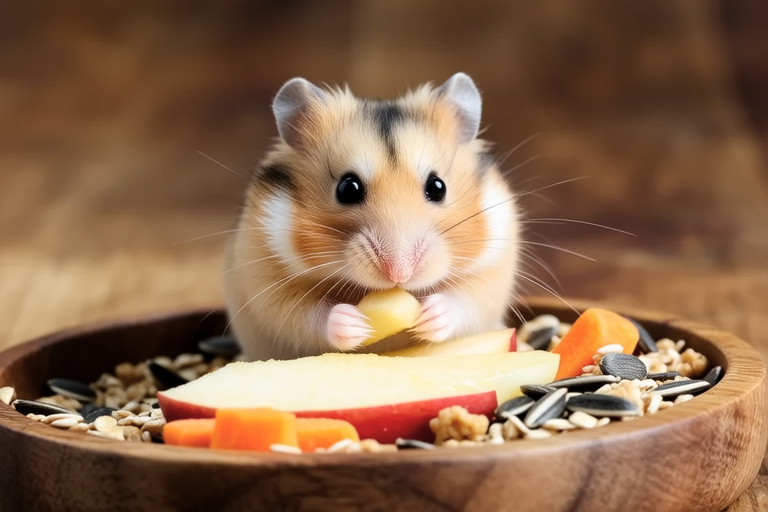
Top 10 Safe Snacks That Will Make Your Hamster Dance with Joy
Welcome, fellow hamster enthusiasts! Ensuring your little furball enjoys a balanced diet is crucial for its overall health and happiness. A well-fed hamster not only leads a healthier life but also exhibits more vibrant behavior. In this article, we’ll explore the top 10 safe snacks that will make your hamster dance with joy, while providing nutritional insights and practical tips for maintaining a balanced diet.
Importance of a Balanced Diet for Hamsters
A balanced diet for your hamster is essential for providing the nutrients necessary for growth, energy, and disease prevention. Just like humans, hamsters need a variety of vitamins, minerals, proteins, and fats to thrive. Feeding them the right kind of food ensures they stay healthy and active, enhancing their quality of life.
1. Fresh Fruits: A Sweet Treat with Nutritional Benefits
Fruits like apples, bananas, and blueberries are delightful treats for hamsters. These fruits offer essential vitamins such as vitamin C and antioxidants, which help boost immunity and promote good digestion. However, remember to feed these treats sparingly due to their sugar content. A small piece of apple or banana once a week should suffice.
2. Vegetables: Crunchy and Nutritious
Vegetables such as carrots, cucumbers, and broccoli are great additions to your hamster’s diet. They provide essential vitamins, fiber, and minerals that support digestive health and maintain strong bones. Feed your hamster a small amount of vegetables every other day, ensuring they are fresh and washed thoroughly.
3. Nuts: A Source of Healthy Fats
Nuts like almonds and walnuts offer healthy fats and protein, aiding in weight maintenance and muscle development. While nuts are nutritious, they are high in calories and fat, so it’s important to limit the portions. Offer a single almond or walnut twice a week.
4. Seeds: Tiny but Mighty
Seeds such as sunflower seeds and pumpkin seeds are packed with essential fatty acids and proteins. They contribute to coat health and energy levels. Provide a few seeds every other day, but avoid overfeeding, as seeds can be fattening.
5. Dried Fruits: A Convenient Option
Dried fruits like raisins and cranberries are excellent sources of natural sugars and antioxidants. They can be used as rewards during training sessions. However, due to their concentrated sugar content, limit them to a couple of pieces per week.
6. Whole Grains: Energy Boosters
Whole grains such as oats and barley are rich in complex carbohydrates, which provide sustained energy. They also contain beneficial fibers that aid in digestion. Mix a small amount of whole grains into your hamster’s regular diet once a week.
7. Yogurt Drops: Calcium-Rich Treats
Yogurt drops are a popular treat among hamsters because they are packed with calcium, promoting strong teeth and bones. However, they are also high in sugar, so offer them no more than once a week.
8. Mealworms: Protein Powerhouses
Mealworms are a great source of protein, contributing to muscle growth and repair. They can be offered as an occasional treat, perhaps once a month, to ensure your hamster gets a variety of nutrients.
9. Cooked Meat: A Rare Delicacy
Cooked meats like chicken or turkey provide a burst of protein. However, they should be fed very rarely, perhaps once a month, due to their high-fat content and potential for causing obesity if overfed.
10. Green Leafy Vegetables: Vitamins Galore
Leafy greens such as spinach, kale, and dandelion leaves are packed with vitamins A, C, and K, as well as iron and calcium. They promote overall health and vitality. Introduce these greens gradually, offering a small amount every other day.
Tips on Portion Control and Frequency of Feeding
When introducing new snacks, start with small portions to gauge your hamster’s reaction. Overfeeding can lead to obesity and other health issues. Always monitor your hamster’s weight and adjust the quantity of treats accordingly. Additionally, ensure that water is always available, especially when introducing new foods.
Observing Your Hamster’s Reaction to New Foods
It’s crucial to observe your hamster’s response to new foods. Some hamsters may have allergies or sensitivities to certain types of food. If you notice any changes in behavior, such as lethargy, diarrhea, or loss of appetite, discontinue feeding the new snack immediately and consult a veterinarian. Adjust your hamster’s diet based on its individual needs and preferences.
In conclusion, providing a variety of safe snacks can significantly enhance your hamster’s health and happiness. By understanding the nutritional benefits of different foods and practicing portion control, you can ensure your furry friend enjoys a balanced and enjoyable diet. Remember, the key to a happy hamster is a well-fed and attentive owner. Happy snacking!
