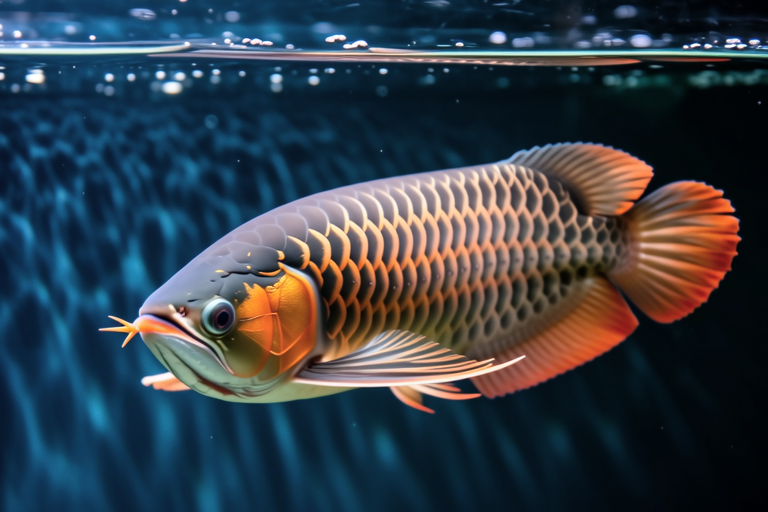
The Ultimate Guide to Owning and Caring for an Exotic Arowana
Arowanas are one of the most fascinating and sought-after fish species in the aquarium world. Known for their striking appearance and unique behaviors, these fish can be challenging to care for but rewarding for those who take the time to understand their needs. This comprehensive guide will walk you through everything you need to know about owning and caring for an exotic arowana.
Unique Characteristics of Arowanas
Arowanas are large, predatory fish that belong to the family Osteoglossidae. They are native to parts of South America, Africa, Asia, and Australia. These fish are known for their long, slender bodies, elongated dorsal fins, and their ability to leap out of the water to catch prey. Arowanas are also capable of breathing air through their swim bladder, which allows them to survive in low-oxygen environments.
Ideal Tank Setup Requirements
Arowanas require a spacious tank with plenty of swimming room. The minimum tank size for a single adult arowana is 300 gallons, but larger tanks are preferred. The tank should have a tight-fitting lid, as arowanas are notorious jumpers. The substrate should be smooth gravel or sand, and decorations should be sturdy and well-secured to prevent damage from the fish’s powerful movements. Adequate filtration is essential to maintain water quality, and regular water changes are necessary to keep the environment clean.
Dietary Needs
Arowanas are carnivorous fish that require a diet rich in protein. In the wild, they feed on insects, small fish, crustaceans, and other aquatic creatures. In captivity, they can be fed a variety of foods, including frozen or live feeder fish, shrimp, worms, and commercially available fish pellets. It is important to vary their diet to ensure they receive all the nutrients they need. Feeding should be done once or twice a day, and only as much food as the fish can consume within five minutes should be offered to avoid overfeeding.
Health Care Tips
Regular monitoring of water parameters is crucial for maintaining the health of your arowana. Water temperature should be kept between 78-84°F (25-29°C), and pH levels should be maintained between 6.5 and 7.5. Ammonia and nitrite levels should be kept at zero, and nitrate levels should be kept below 20 ppm. Quarantine new fish before introducing them to the main tank to prevent the spread of disease. Regularly inspect your fish for signs of illness, such as lethargy, loss of appetite, or abnormal behavior. If any issues arise, consult with a veterinarian specializing in exotic fish for proper diagnosis and treatment.
Common Behaviors
Arowanas are generally peaceful fish when provided with adequate space, but they can become territorial and aggressive if overcrowded. They are known for their jumping abilities, which they use to catch flying insects and escape predators. Arowanas are also social animals and enjoy the company of their own kind, but housing multiple arowanas together requires a very large tank and careful planning to prevent aggression. They are intelligent and can recognize their owners, often displaying interactive behaviors when approached.
Breeding Information
Breeding arowanas is a complex process that requires specialized knowledge and equipment. Males and females are difficult to distinguish visually, and spawning usually occurs during specific times of the year. After mating, the male carries the eggs in his mouth until they hatch, a process that can last several weeks. Once the fry are released, they are highly vulnerable and require special care. Breeding arowanas is not recommended for beginners due to the complexity and challenges involved.
Selecting Healthy Specimens
When selecting an arowana, look for signs of good health, such as clear eyes, bright colors, and active swimming. Avoid fish that appear lethargic, have cloudy eyes, or show signs of physical damage. Check the tank conditions at the retailer to ensure they meet the standards for arowana care. It is advisable to purchase fish from reputable breeders or suppliers who can provide information about the fish’s origin and history. Quarantining newly acquired fish is essential to prevent the introduction of diseases into your main tank.
In conclusion, owning and caring for an exotic arowana is a rewarding experience that requires dedication and knowledge. By understanding their unique characteristics, providing a suitable tank setup, meeting their dietary needs, and following health care guidelines, you can ensure that your arowana thrives in its new home. With proper care and attention, your arowana will become a cherished member of your aquarium family.
