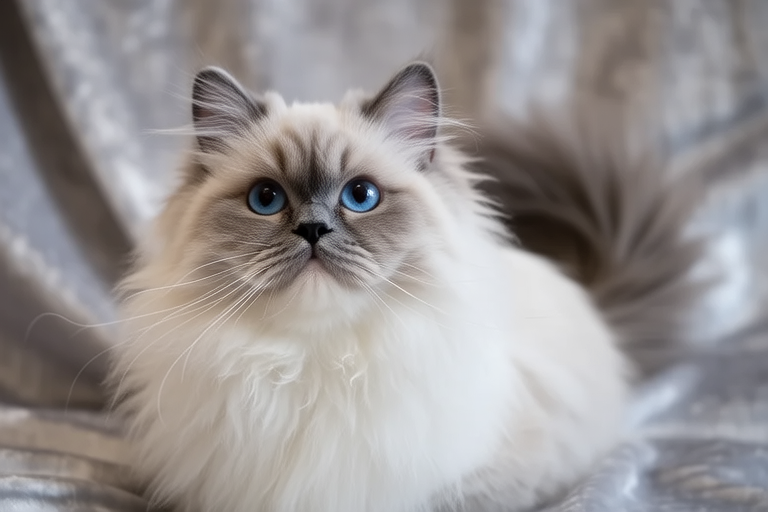
Top 10 Myths About Persian Cats Debunked
Persian cats have been captivating hearts and homes for centuries, known for their luxurious long coats, sweet dispositions, and distinctive faces. Originating from Persia (now Iran), these felines have been selectively bred to enhance their elegant appearance, resulting in the iconic flat-faced variety that many people associate with the breed today. Despite their popularity, there are numerous myths surrounding Persian cats that can mislead potential owners. This article aims to dispel ten common myths about Persian cats, offering you the truth about their nature and needs.
Myth 1: Persian Cats Are Lazy and Uninterested in Play
One of the most prevalent misconceptions about Persian cats is that they are lazy and uninterested in play. While it’s true that Persian cats tend to be more laid-back compared to breeds like Siamese or Bengals, they still enjoy interactive play. Their playful tendencies may manifest differently, often preferring quieter activities such as chasing toys or playing fetch. Studies show that providing mental stimulation through interactive toys can significantly improve a cat’s quality of life. Therefore, it’s important to engage your Persian cat regularly to ensure their well-being.
Myth 2: Persian Cats Require Minimal Grooming
Another common myth is that Persian cats require minimal grooming. In reality, due to their long, dense coats, Persian cats need daily brushing to prevent matting and hairballs. Regular grooming also helps distribute natural oils throughout the coat, maintaining its health and luster. Professional grooming sessions every few months are recommended to keep their fur in top condition. Experts suggest that consistent grooming can reduce the risk of skin issues and improve overall hygiene.
Myth 3: Persian Cats Are Prone to Obesity
There’s a misconception that Persian cats are more likely to become obese than other breeds. While it’s true that overfeeding and lack of exercise can lead to weight gain in any cat, this doesn’t uniquely affect Persian cats. Ensuring a balanced diet and regular playtime can help maintain a healthy weight. According to veterinarians, a diet rich in high-quality protein and low in carbohydrates is ideal for Persian cats. Additionally, interactive toys and climbing structures encourage physical activity, promoting a healthier lifestyle.
Myth 4: Persian Cats Cannot Live in Hot Climates
A popular belief is that Persian cats cannot thrive in hot climates due to their thick coats. However, Persian cats can adapt to various environments with proper care. They do need protection from extreme heat, but with access to air conditioning and cool, shaded areas, they can live comfortably in warmer regions. It’s crucial to provide them with fresh water and avoid excessive exposure to direct sunlight to prevent overheating. Regular grooming also aids in managing their body temperature by allowing better airflow through their coats.
Myth 5: Persian Cats Are Not Social Animals
Contrary to the myth that Persian cats are solitary and aloof, these cats can be quite social and affectionate. They often form strong bonds with their human companions and may seek out attention and affection. Persian cats enjoy being part of family activities and can develop close relationships with their owners. Research indicates that the companionship of a Persian cat can contribute positively to emotional well-being, making them excellent pets for those seeking a loving and loyal companion.
Myth 6: Persian Cats Are Noisy
It’s a common misunderstanding that Persian cats are noisy and vocal. In fact, Persian cats are generally quiet and less vocal compared to breeds like Siamese. They communicate primarily through body language and gentle purring, which adds to their serene demeanor. Their calm nature makes them ideal for households seeking a peaceful and tranquil environment. Understanding your Persian cat’s subtle cues can deepen your bond and enhance communication between you and your pet.
Myth 7: Persian Cats Have Poor Health
There’s a misconception that Persian cats suffer from poor health due to their genetic makeup. While it’s true that certain health issues, such as polycystic kidney disease (PKD) and respiratory problems, are more common in Persian cats, advancements in veterinary care have improved their overall health. Regular check-ups and early intervention can manage these conditions effectively. Responsible breeding practices aimed at reducing genetic predispositions have also contributed to healthier generations of Persian cats.
Myth 8: Persian Cats Are Difficult to Train
Many believe that Persian cats are difficult to train. However, like all cats, Persians can learn simple commands and tricks with patience and positive reinforcement. Training sessions should be short and fun, using treats and praise to motivate your cat. Interactive games and puzzles can also stimulate their minds, encouraging learning and problem-solving skills. Engaging your Persian cat in training can strengthen the bond between you and your pet while providing mental enrichment.
Myth 9: Persian Cats Do Not Get Along with Other Pets
It’s a myth that Persian cats cannot coexist with other pets, including dogs and other cats. With proper introduction and supervision, Persian cats can get along well with other animals. Each cat has its own personality, so compatibility will vary. Introducing new pets gradually and ensuring a safe space for your Persian cat can help foster positive interactions. A harmonious multi-pet household can enrich the lives of all its members, including your Persian cat.
Myth 10: Persian Cats Are Expensive to Own
Finally, there’s the myth that Persian cats are expensive to own. While the initial cost of purchasing a Persian cat from a reputable breeder can be higher, ongoing expenses depend on several factors, including food quality, grooming services, and veterinary care. Adopting a Persian cat from a shelter can also be a cost-effective option. By choosing high-quality, nutritious food and maintaining a routine of preventive healthcare, you can manage costs effectively. Investing in your Persian cat’s well-being ensures a long and happy life together.
Caring for Your Persian Cat
Now that we’ve debunked these common myths about Persian cats, it’s essential to understand how to care for them properly. Regular grooming is crucial to maintaining their luxurious coats, preventing matting, and keeping their skin healthy. Providing a balanced diet rich in high-quality protein and essential nutrients supports their overall health. Interactive play and mental stimulation are vital for their well-being, helping to prevent boredom and obesity. Finally, regular veterinary check-ups ensure early detection and management of any potential health issues.
Persian cats make wonderful companions with their unique charm and affectionate nature. Armed with accurate information, you’re now better equipped to consider adopting a Persian cat. Their grace and beauty, coupled with their loving disposition, can bring joy and comfort to your home. Remember, with proper care and understanding, a Persian cat can be a cherished member of your family for many years to come.
