Parrot Fish: The Colorful Ocean Guardians You Need to Know About
Imagine diving into a vibrant underwater world where every corner is alive with color and movement. Among the most striking inhabitants of this aquatic realm are parrot fish, a group of tropical marine fish known for their dazzling hues and distinctive appearance. These colorful creatures play a crucial role in maintaining the health of coral reefs, which are vital ecosystems that support countless marine species. In this article, we will explore the fascinating world of parrot fish, from their vibrant colors and unique appearance to their essential role in coral reef health and the threats they face.
The Vibrant World of Parrot Fish
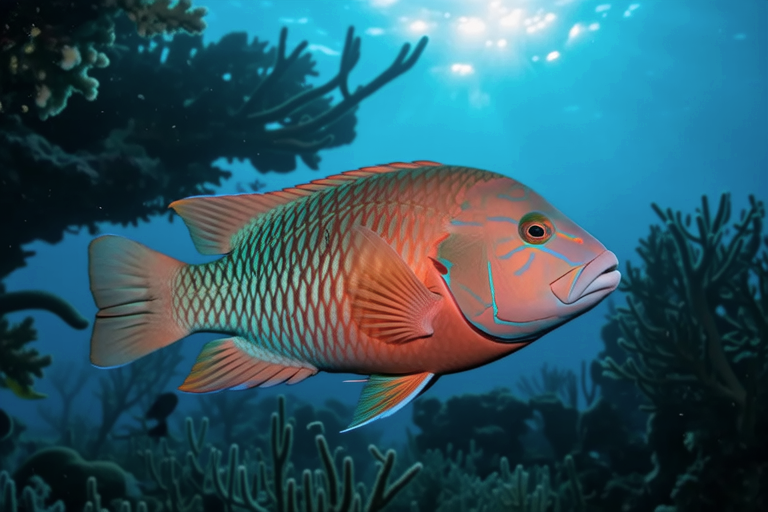
Parrot fish, belonging to the family Scaridae, are named for their beak-like mouths and the bright, often iridescent colors that adorn their bodies. Their scales are arranged in a way that creates a mosaic effect, adding to their visual appeal. These fish come in a wide array of colors, from electric blues and greens to fiery oranges and deep purples. Some species even display bioluminescence, making them glow in the dark depths of the ocean. This stunning variety of colors serves multiple purposes, such as camouflage, attracting mates, and warning off potential predators.
Parrot fish exhibit remarkable changes in their appearance throughout their lives. Juvenile parrot fish often resemble other species, mimicking their coloration to avoid predation. As they mature, they undergo a process called metamorphosis, during which they develop their distinct adult coloration. This transformation is accompanied by significant changes in body shape and size, making it easier for researchers to identify different life stages of these fish.
Guardians of the Coral Reefs
Coral reefs are some of the most diverse and productive ecosystems on the planet, supporting an estimated 25% of all marine species. Parrot fish play a vital role in maintaining the health of these delicate environments. They primarily feed on algae that grow on coral surfaces, which helps prevent overgrowth and ensures that corals have sufficient space to thrive. By grazing on algae, parrot fish also indirectly promote coral growth, as algae can sometimes outcompete corals for resources.
The feeding habits of parrot fish involve scraping algae from rocks and coral with their strong teeth, which are enclosed in a beak-like structure. After consuming the algae, they pass it through their digestive system, excreting fine sand. This process is known as bioerosion and contributes significantly to the formation of beaches and reef structures. Without the assistance of parrot fish, coral reefs would become overgrown with algae, leading to a decline in biodiversity and overall reef health.
Behavior and Habitat Preferences
Parrot fish are social animals that typically live in schools, especially when they are young. As they mature, they tend to become more solitary, although they may still gather in groups for protection or during mating season. These fish are diurnal, meaning they are active during the day and rest at night. At dusk, parrot fish often seek shelter in crevices or caves, where they secrete a mucus cocoon to protect themselves from predators and parasites.
Parrot fish inhabit warm, tropical waters around the world, particularly in the Indo-Pacific region and the Caribbean Sea. They prefer shallow, coral-rich areas, where food is abundant and there is plenty of cover for protection. Coral reefs provide ideal habitats for parrot fish, offering both food sources and shelter. While they are generally found in coastal waters, some species can venture into deeper waters in search of food or suitable breeding grounds.
Threats to Parrot Fish
Despite their importance to coral reef ecosystems, parrot fish face numerous threats in the wild. Overfishing is one of the most significant challenges they encounter, as their brightly colored flesh makes them attractive targets for commercial fishing operations. In some regions, parrot fish are caught for their meat, which is considered a delicacy, while in others, they are targeted for the aquarium trade. Unsustainable fishing practices can lead to population declines, disrupting the balance of coral reef ecosystems.
In addition to overfishing, parrot fish are also threatened by habitat destruction. Coastal development, pollution, and climate change all contribute to the degradation of coral reefs, reducing the available habitat for these fish. Rising sea temperatures and ocean acidification, caused by increased levels of carbon dioxide in the atmosphere, can damage coral reefs, making it harder for parrot fish to find suitable feeding grounds and shelter. Furthermore, human activities, such as boat anchoring and recreational diving, can physically damage coral reefs, further endangering the habitats of parrot fish.
The Importance of Parrot Fish for Ocean Biodiversity
Parrot fish are essential for maintaining the health and biodiversity of coral reef ecosystems. By controlling algal growth and promoting coral growth, they help ensure that these vital habitats remain productive and diverse. A healthy coral reef supports a wide range of marine species, from tiny plankton to large predatory fish, creating a complex web of interactions that sustain life in the ocean. The loss of parrot fish could lead to a cascade of negative effects, ultimately threatening the survival of countless marine species.
Moreover, coral reefs provide numerous benefits to humans, including food security, coastal protection, and economic opportunities through tourism and recreation. By preserving parrot fish populations, we can help maintain the health of coral reefs, ensuring that these ecosystems continue to provide valuable services to both marine life and people.
What You Can Do to Support Parrot Fish Conservation
There are several ways that individuals can support the conservation of parrot fish and the coral reefs they inhabit. One of the most effective actions is to reduce your carbon footprint by adopting sustainable lifestyle choices, such as using renewable energy sources, reducing waste, and conserving water. These efforts can help mitigate the impacts of climate change, which is one of the primary threats to coral reefs and the species that depend on them.
Another way to support parrot fish conservation is to choose seafood products that are sustainably sourced. Look for certifications like the Marine Stewardship Council (MSC) label, which indicates that the fish were caught using environmentally friendly methods. By making informed choices about the seafood you consume, you can help reduce pressure on wild fish populations and promote responsible fishing practices.
Finally, you can get involved in local conservation efforts by supporting organizations that work to protect coral reefs and marine biodiversity. Many non-profit organizations offer volunteer opportunities, educational programs, and advocacy campaigns aimed at raising awareness about the importance of coral reefs and the species that call them home. By joining forces with these groups, you can contribute to the preservation of parrot fish and the ecosystems they help maintain.
In conclusion, parrot fish are vibrant and essential guardians of the ocean’s coral reefs. Their unique appearance, social behavior, and critical role in maintaining reef health make them a fascinating and important species. However, they face numerous threats in the wild, including overfishing, habitat destruction, and the impacts of climate change. By understanding the importance of parrot fish and taking action to support their conservation, we can help ensure the continued health and diversity of our oceans for generations to come.
