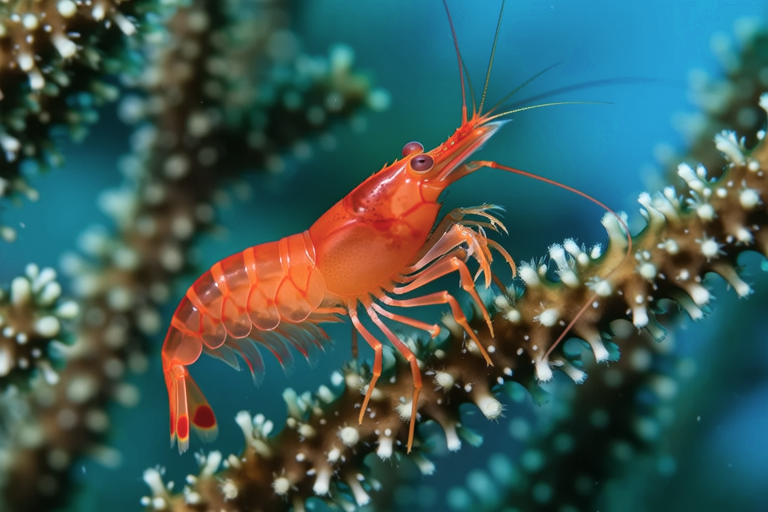
The Unique Behaviors and Habits of Coral Shrimp
Coral shrimp, with their vibrant colors and intriguing behaviors, have long fascinated marine biologists and enthusiasts alike. These small crustaceans play a vital role in maintaining the health of coral reefs, and their interactions with other marine species offer valuable insights into the complex web of life beneath the ocean’s surface. From their symbiotic relationships to their cleaning behaviors, this article explores the many facets of coral shrimp, providing an engaging overview for both novice and seasoned aquarists.
Roles Within Reef Ecosystems
Coral shrimp, scientifically known as Periclimenes spp., are integral to the functioning of coral reefs. They serve as cleaners, detritivores, and prey for larger predators. Their presence contributes to the overall balance of these delicate ecosystems by removing parasites from fish and other marine animals, thereby reducing disease transmission and promoting healthy populations.
As cleaners, they attract clients through visual and chemical signals, establishing cleaning stations where fish and other organisms can safely receive grooming services. This mutualistic relationship benefits both parties: the shrimp gain access to a steady food source, while their clients enjoy parasite removal. Additionally, coral shrimp help control algal growth on corals by consuming excess algae, thus supporting the health of their host structures.
Interactions With Other Marine Life
Coral shrimp exhibit remarkable adaptability when interacting with various marine species. For instance, some species form symbiotic relationships with certain types of sea anemones, sharing shelter while providing protection against potential threats. In return, the shrimp consume debris and dead tissue from the anemone, contributing to its well-being.
Moreover, coral shrimp participate in complex social hierarchies within their communities. Dominant individuals often establish territories and defend them against intruders, ensuring stable living conditions for themselves and their subordinates. These dynamics highlight the intricate nature of coral reef ecosystems and underscore the importance of each component in maintaining ecological balance.
Dietary Preferences
The diet of coral shrimp consists primarily of detritus, plankton, and small organisms found within the reef environment. They are opportunistic feeders, consuming whatever is available at any given time. However, their primary food source remains parasitic copepods and other small invertebrates that live on or near their hosts.
In addition to feeding on parasites, coral shrimp also engage in cleaning behaviors that benefit their hosts. By removing external parasites, they reduce the risk of infection and promote healthier conditions for both themselves and their clients. This mutualistic relationship exemplifies the interconnectedness of life within coral reefs and underscores the importance of maintaining balanced ecosystems.
Environmental Changes and Their Impact
Climate change poses significant challenges to coral reefs and the organisms that depend on them, including coral shrimp. Rising sea temperatures, increased acidity levels, and pollution can disrupt the delicate balance of these ecosystems, threatening the survival of many species. Coral bleaching events, which occur when corals expel the symbiotic algae living in their tissues due to stress, can lead to widespread mortality among coral colonies and the associated fauna.
To mitigate these impacts, conservation efforts focus on reducing carbon emissions, protecting critical habitats, and promoting sustainable fishing practices. By addressing the root causes of environmental degradation, we can help preserve the biodiversity and resilience of coral reefs for future generations.
Fascinating Symbiotic Relationships
Coral shrimp form symbiotic relationships with various marine organisms, including sea anemones and sponges. These partnerships provide mutual benefits, such as shelter, protection, and access to food resources. For example, some species of coral shrimp inhabit the tentacles of sea anemones, where they find refuge from predators while helping to maintain the health of their host by removing debris and dead tissue.
Another notable symbiosis involves coral shrimp and certain species of gobies. These fish and shrimp share a close bond, with the shrimp alerting the goby to potential dangers through rapid flicks of their antennae. In response, the goby will swim away quickly, signaling the shrimp to retreat into hiding. This cooperative arrangement demonstrates the complexity and adaptability of marine life, highlighting the importance of communication and cooperation in survival.
Cleaning Behaviors
Coral shrimp are renowned for their cleaning behaviors, which involve removing parasites and dead skin from larger fish and other marine animals. This process not only provides the shrimp with a reliable food source but also helps maintain the health of their clients. The shrimp approach potential clients cautiously, using visual cues and chemical signals to establish trust before commencing the cleaning process.
Once accepted, the shrimp carefully examine their client’s body, picking off parasites and debris with their specialized mouthparts. This behavior promotes healthy conditions for both parties involved, fostering a mutually beneficial relationship that supports the overall health of the reef ecosystem.
Methods of Communication
Coral shrimp employ various methods of communication to interact with one another and their environment. Visual signals, such as rapid movements or changes in coloration, play a crucial role in conveying information about territory boundaries, mating readiness, or danger. Chemical cues, released through specialized glands, may also be used to mark territories or signal reproductive status.
Auditory signals, though less common, can still contribute to communication between coral shrimp. Tapping or scraping sounds produced by their appendages might serve as additional means of conveying messages within their community. Understanding these communication strategies offers valuable insight into the social structure and behavior of coral shrimp.
Biology and Reproduction Cycles
Coral shrimp undergo a series of developmental stages during their life cycle, starting from eggs laid by females after mating. The eggs hatch into nauplius larvae, which then progress through several molting phases before reaching adulthood. Males typically possess modified first legs called gonopods, which they use to transfer sperm packets to receptive females.
During mating season, male coral shrimp engage in elaborate courtship displays to attract females. These displays may include specific movements, color changes, or the release of pheromones. Once paired, the female carries the fertilized eggs until they hatch, ensuring the next generation’s survival. Studying these reproductive behaviors provides valuable information about the biology and evolution of coral shrimp.
Adaptations for Survival
Coral shrimp have evolved numerous adaptations that enhance their ability to survive in challenging environments. Their flattened bodies allow for easy movement between coral branches, while their elongated antennae aid in detecting potential threats or prey items. Additionally, many species possess cryptic coloration patterns that help them blend seamlessly into their surroundings, making it difficult for predators to locate them.
Furthermore, coral shrimp exhibit remarkable flexibility in their feeding habits, allowing them to take advantage of diverse food sources depending on availability. This adaptability ensures a consistent supply of nutrients, even during periods of resource scarcity. Understanding these adaptations offers valuable insights into the resilience and survival strategies employed by coral shrimp.
Recent Research and Discoveries
Recent studies have shed light on previously unknown aspects of coral shrimp behavior, such as their ability to recognize individual clients based on scent alone. This discovery suggests that coral shrimp possess sophisticated cognitive abilities that enable them to distinguish between different fish species or even individual fish within a population. Such findings challenge conventional notions about the intelligence and sensory capabilities of invertebrates, prompting further investigation into the complexities of marine life.
Additionally, researchers continue to explore the potential applications of coral shrimp-inspired technologies in fields ranging from medicine to robotics. By mimicking the cleaning behaviors of coral shrimp, scientists hope to develop innovative solutions for addressing biofouling issues in marine environments or designing more efficient underwater cleaning systems. These advancements demonstrate the far-reaching implications of studying coral shrimp and highlight the value of preserving marine biodiversity.
