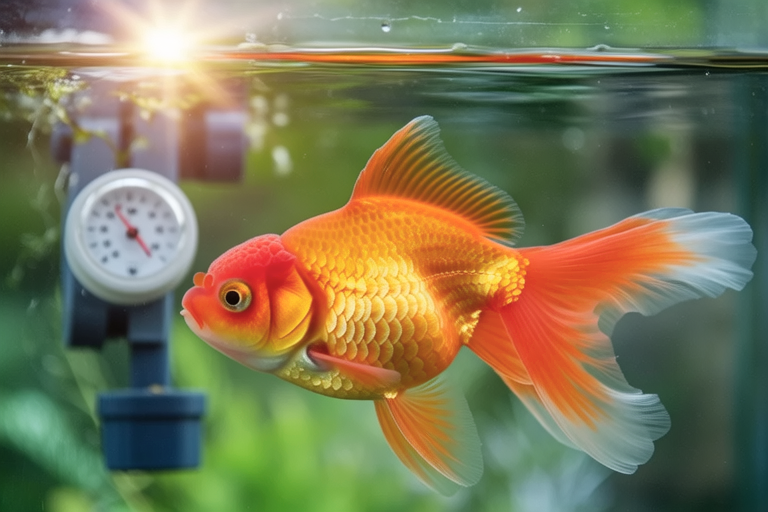
5 Myths About Goldfish That Might Be Sabotaging Their Care
Goldfish are one of the most popular pets worldwide, adored for their vibrant colors and playful nature. However, many owners are unaware of the specific care requirements these fish need to thrive. Misconceptions about goldfish care can lead to inadequate environments and poor health, ultimately shortening their lifespan. This article aims to debunk five common myths that might be sabotaging your goldfish’s care, offering practical advice to ensure they live long, healthy lives.
Myth 1: Goldfish Can Thrive in Small Bowls
The first myth is perhaps the most pervasive: goldfish can live happily in small bowls. Many people believe that goldfish are low-maintenance pets, which leads them to assume that a small bowl is sufficient. However, goldfish require ample space and clean water to thrive. In small bowls, there is insufficient room for the fish to swim freely, and the water quality deteriorates quickly due to the accumulation of waste.
Goldfish produce a significant amount of waste, which can quickly pollute their environment if not managed properly. Without adequate filtration, the water becomes toxic, leading to stress, disease, and even death. To correct this misconception, it is essential to provide your goldfish with a tank that meets their size requirements. A general rule of thumb is at least 20 gallons of water per goldfish, ensuring they have enough space to swim and that the water remains clean.
Myth 2: Goldfish Are Cold-Water Fish and Don’t Need Heaters
Another common myth is that goldfish are cold-water fish and do not require heaters. While it is true that goldfish are more tolerant of cooler temperatures compared to tropical fish, maintaining a stable temperature is crucial for their well-being. Fluctuations in water temperature can stress the fish, weakening their immune systems and making them susceptible to diseases.
To debunk this myth, it is important to understand that goldfish prefer a consistent temperature range between 68°F and 74°F (20°C and 23°C). Using a heater can help maintain this optimal temperature, especially during colder months. Additionally, regular monitoring of water temperature and maintaining a stable environment will contribute significantly to your goldfish’s health and longevity.
Myth 3: Goldfish Only Live for a Few Years
A third myth is that goldfish have a short lifespan, often quoted as only a few years. While it is true that some goldfish may not reach their full potential due to poor care, goldfish can actually live much longer when provided with proper care. The average lifespan of a goldfish is around 10 to 15 years, with some living up to 20 years or more.
To extend your goldfish’s life, focus on providing a high-quality diet and maintaining excellent water conditions. Feed them a varied diet that includes high-protein foods like brine shrimp and daphnia, along with commercial pellets. Regular water changes and effective filtration are also key to keeping the water clean and free from harmful substances. By addressing this misconception, you can help your goldfish reach their full potential and enjoy a long, healthy life.
Myth 4: Goldfish Don’t Need a Filter
The fourth myth is that goldfish do not need filters in their tanks. Many new aquarists believe that because goldfish are hardy, they can survive without a filter. However, filters play a crucial role in maintaining water quality by removing waste, excess food, and other pollutants. Without a filter, the water can become cloudy and toxic, leading to health issues for your goldfish.
To address this misconception, invest in a high-quality filter that is appropriate for the size of your tank. Filters should be chosen based on the volume of water they can process, ensuring efficient filtration. Additionally, perform regular maintenance on your filter, cleaning it as needed to prevent clogging and ensure it continues to function effectively. Proper filtration is essential for maintaining a healthy aquatic environment for your goldfish.
Myth 5: Goldfish Can Survive on Fish Food Alone
The final myth is that goldfish can survive solely on fish food. While commercial fish food provides necessary nutrients, a balanced diet is essential for the overall health of your goldfish. Over-reliance on commercial food can lead to nutritional deficiencies and other health problems. Providing a varied diet that includes fresh vegetables, fruits, and occasional treats can enhance their health and well-being.
Incorporate leafy greens such as spinach or lettuce into their diet, along with occasional treats like peas or daphnia. These additions provide essential vitamins and minerals that commercial food alone may not offer. By addressing this misconception, you can help ensure your goldfish receive all the nutrients they need to thrive, promoting better growth and vitality.
Tips for Responsible Goldfish Ownership
Now that we’ve debunked these common myths, here are some additional tips for responsible goldfish ownership:
- Research thoroughly before purchasing your goldfish to understand their specific needs.
- Regularly test the water parameters to ensure they remain within safe ranges.
- Perform weekly water changes to keep the environment clean and healthy.
- Provide hiding spots and toys to enrich their environment and promote natural behaviors.
- Observe your goldfish daily for any signs of illness or distress.
By understanding and addressing these common myths, you can significantly improve the quality of life for your goldfish. Remember, goldfish are fascinating creatures that deserve the best possible care. Take the time to learn more about their needs and provide them with a loving, healthy environment. With proper care, your goldfish can bring joy and companionship for many years to come.
