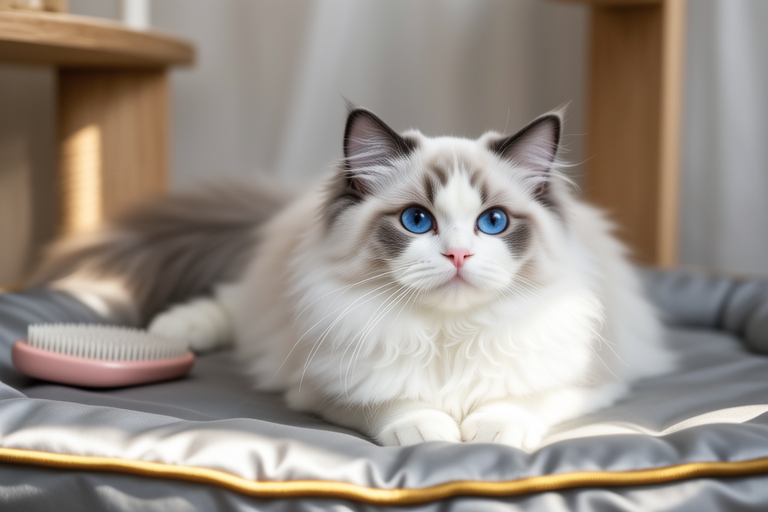
How to Keep Your Persian Cat’s Coat Glistening and Fluffy
Welcome to your ultimate guide on keeping your Persian cat’s coat glistening and fluffy. Persian cats are known for their luxurious, long fur, but maintaining this beauty requires dedication and a bit of know-how. This article will walk you through detailed grooming techniques, nutritional advice for healthy skin and coat, regular vet care tips, suitable cat product recommendations, and environmental factors affecting coat health. Let’s dive into how you can ensure your Persian cat remains the picture of feline elegance.
Daily Brushing Routines
Daily brushing is crucial for keeping your Persian cat’s coat free from tangles and mats. Choose a high-quality brush specifically designed for long-haired cats, such as a slicker brush or a pin brush. Start by gently brushing your cat’s fur from the head down to the tail, paying special attention to areas prone to matting, like behind the ears and under the armpits. For best results, divide the fur into sections and work on each one thoroughly. This not only prevents mats but also stimulates blood circulation, promoting healthier hair growth.
Bathing Frequency
Persian cats tend to be clean animals and usually don’t require frequent baths. However, it’s important to bathe them every few months to keep their coat healthy and free from dirt and oils. Use a gentle, pH-balanced shampoo formulated for cats and avoid human shampoos, which can strip natural oils from your cat’s skin. Wet your cat thoroughly with warm water, apply the shampoo, and massage it into the fur. Rinse completely, ensuring no residue remains, as this can cause irritation. Dry your cat with a soft towel and consider using a blow dryer on a low, cool setting if necessary.
Nutritional Advice for Healthy Skin and Coat
A balanced diet is essential for maintaining your Persian cat’s healthy skin and coat. High-quality commercial cat food that includes omega-3 and omega-6 fatty acids is beneficial for skin and coat health. These fats help in maintaining the elasticity of the skin and promote shiny, smooth fur. Additionally, consider incorporating fish oil supplements into your cat’s diet under the guidance of your veterinarian. Always ensure your cat has access to fresh, clean water to stay hydrated, which aids in maintaining a healthy coat.
Regular Vet Care Tips
Regular visits to the veterinarian are vital for your Persian cat’s overall health, including their coat. Annual check-ups allow for early detection of any potential health issues that could affect your cat’s skin and coat. Discuss any changes in your cat’s appearance or behavior with your vet, who may recommend specific dietary supplements or treatments. Parasite control, including flea and tick prevention, is also crucial, as these pests can damage your cat’s coat and cause discomfort.
Suitable Cat Products Recommendations
Selecting the right grooming tools and products can make a significant difference in maintaining your Persian cat’s coat. In addition to brushes, consider investing in a dematting tool, which can help remove stubborn knots without causing pain. A wide-toothed comb is useful for detangling fur after bathing. Additionally, a pet-specific conditioner can add extra moisture and shine to your cat’s coat. Look for products that are hypoallergenic and free from harsh chemicals to ensure they’re safe for your cat.
Environmental Factors Affecting Coat Health
The environment plays a role in your Persian cat’s coat health. Excessive heat or cold can dry out your cat’s skin, leading to flaky, dull fur. Ensure your cat has a comfortable, temperature-controlled living space. Humidity levels can also impact your cat’s coat; using a humidifier during dry seasons can help maintain moisture in the air and prevent excessive shedding. Regularly cleaning your home, especially areas where your cat spends time, can reduce allergens and irritants that might affect your cat’s skin.
Common Coat Issues with Solutions
Despite your best efforts, your Persian cat may experience coat-related issues. One common problem is excessive shedding, which can be managed by increasing grooming sessions and adjusting your cat’s diet to include more fatty acids. Another issue is dandruff, which can be treated with medicated shampoos prescribed by your veterinarian. Matting is another challenge, particularly in areas with less movement, like behind the ears. Prevent matting by regularly brushing these areas and trimming if necessary. If your cat’s coat appears dull, consider adding a supplement rich in vitamins and minerals to support skin and coat health.
Conclusion
Maintaining your Persian cat’s coat requires consistent effort and attention to detail. By following the grooming techniques outlined in this guide, providing a balanced diet, ensuring regular veterinary care, choosing appropriate products, and considering environmental factors, you can keep your Persian cat’s coat glistening and fluffy. Remember, every cat is unique, so adapt these suggestions to suit your cat’s individual needs. With patience and love, your Persian cat will continue to be a stunning example of feline grace and beauty.
