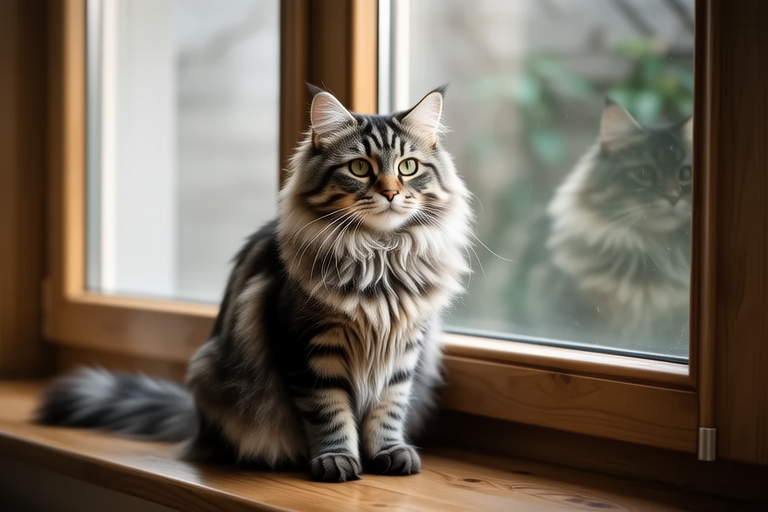
Norwegian Forest Cats: The Majestic Felines of Scandinavia
Imagine a cat with a thick, luxurious coat that glistens like a winter’s frost, eyes that sparkle with intelligence, and a demeanor that suggests it has seen the world and knows its way around. This is the Norwegian Forest Cat, a breed that has captivated the hearts of cat lovers for centuries. Originating from the rugged landscapes of Norway, these felines have not only survived but thrived in one of the harshest climates on Earth. In this article, we will explore the origins, physical characteristics, adaptability, legends, temperament, grooming needs, health considerations, and the unique place of the Norwegian Forest Cat in Scandinavian culture and history.
The Origins of the Norwegian Forest Cat
The Norwegian Forest Cat, known affectionately as the “Norse” or “Skogkatt” (forest cat) in its native land, has a rich history that dates back thousands of years. Legends tell of these cats accompanying Vikings on their voyages, protecting ships from vermin and earning their keep by hunting rats and mice. Archaeological evidence supports these tales, with ancient bones found at Viking burial sites indicating the presence of these robust, longhaired cats.
It is believed that the ancestors of the Norwegian Forest Cat arrived in Norway with the Romans during the first century AD. These cats interbred with local wildcats, leading to the development of the breed we know today. Over time, the cats adapted to the harsh Nordic climate, developing their signature thick, water-repellent coats and strong, muscular bodies. They became indispensable companions to farmers and fishermen, helping to control rodent populations and providing warmth during the long, cold winters.
Physical Characteristics
The Norwegian Forest Cat is a medium to large-sized cat with a sturdy build and a well-muscled body. Males typically weigh between 9-12 pounds, while females are slightly smaller, weighing around 7-10 pounds. Their most striking feature is their coat, which is long, silky, and water-repellent. The outer layer consists of long, straight guard hairs, while the undercoat is dense and soft, providing insulation against the cold.
Their heads are triangular, with high cheekbones and prominent chins. Their ears are large and wide-set, often adorned with lynx-like tufts, adding to their wild appearance. Their eyes are almond-shaped and come in a variety of colors, including green, gold, copper, and blue. One of the most distinctive features of the Norwegian Forest Cat is its tail, which is long and bushy, often reaching as far as the shoulders when fully extended.
Adaptability to Cold Climates
The Norwegian Forest Cat is perfectly suited to life in cold climates. Their thick, double-layered coats provide excellent insulation, allowing them to thrive in temperatures as low as -40 degrees Celsius. Their paws are also specially adapted to snowy conditions, with thick pads that help them walk on ice without slipping. Additionally, their coats are water-repellent, enabling them to stay dry even after prolonged exposure to rain or snow.
These cats are highly active and enjoy outdoor adventures, whether it’s climbing trees, exploring forests, or chasing after prey. Despite their love for the outdoors, they are equally comfortable indoors, making them versatile pets that can adapt to various living situations.
The Legend of the Norse God Freyja and Her Cats
The Norwegian Forest Cat holds a special place in Norse mythology. According to legend, the goddess Freyja, who was associated with love, beauty, fertility, and war, traveled in a chariot pulled by two large, gray cats. These cats were said to be the offspring of Loki, the trickster god, and the giantess Angrboda. The cats were named “Bygul” (Bee Gold) and “Trjegul” (Tree Gold), and they were believed to have magical powers, capable of transforming into humans at will.
This legend has been passed down through generations, and it is still common to find depictions of Freyja and her cats in Norse art and literature. The Norwegian Forest Cat’s association with Freyja has cemented its status as a symbol of strength, independence, and grace in Scandinavian culture.
Temperament
Besides their striking appearance, Norwegian Forest Cats are known for their friendly and affectionate nature. They are generally calm and patient, making them ideal companions for families with children or other pets. While they are independent and enjoy spending time alone, they also appreciate human interaction and attention. These cats are known for their playful personalities, often engaging in games and activities that involve climbing, jumping, and exploring.
Despite their independent streak, Norwegian Forest Cats are highly social animals and form strong bonds with their owners. They are intelligent and curious, always eager to investigate new objects and environments. Their loyalty and devotion make them wonderful companions, and they are known to be very vocal, often communicating with their owners through a range of meows, purrs, and trills.
Grooming Needs
Given their luxurious coats, it may seem that Norwegian Forest Cats require extensive grooming. However, their coats are self-cleaning, and they do not shed excessively. Weekly brushing with a slicker brush or comb will help remove loose hair and prevent matting, especially during shedding season. Bathing is rarely necessary, as their coats are naturally waterproof and dirt-resistant.
Regular dental care, nail trimming, and ear cleaning are also important aspects of maintaining your Norwegian Forest Cat’s overall health. It is recommended to start grooming routines early to ensure your cat becomes accustomed to the process.
Health Considerations
Like all breeds, Norwegian Forest Cats are prone to certain health issues. Some of the most common conditions include hip dysplasia, hypertrophic cardiomyopathy, and polycystic kidney disease. Regular veterinary check-ups, a balanced diet, and proper exercise can help minimize the risk of these conditions and ensure your cat lives a long, healthy life.
Due to their size and activity levels, Norwegian Forest Cats require a nutritious diet that provides adequate protein, fat, and carbohydrates. Consult with your veterinarian to determine the best diet for your cat based on age, weight, and activity level.
The Role of Norwegian Forest Cats as Companions
The Norwegian Forest Cat’s role as a companion extends beyond being a mere pet. Throughout history, these cats have been valued for their ability to protect homes and farms from pests, as well as for their companionship. Today, they continue to be beloved pets, cherished for their loyalty, intelligence, and affection.
In addition to their practical uses, Norwegian Forest Cats have also become popular in the show ring, where their stunning appearance and regal bearing make them stand out. Many cat enthusiasts admire the breed for its unique blend of wild and domestic traits, and it is not uncommon to see Norwegian Forest Cats featured in cat shows around the world.
A Unique Place in Scandinavian Culture and History
The Norwegian Forest Cat’s place in Scandinavian culture is undeniable. From their association with Norse mythology to their role in Viking expeditions, these cats have played an integral part in the region’s history. Today, they are celebrated in Norway and other Scandinavian countries, where they are recognized for their contributions to agriculture, pest control, and companionship.
The Norwegian Forest Cat’s unique place in Scandinavian culture is further highlighted by its national significance. In 1977, the breed was officially recognized as the national cat of Norway, cementing its status as a symbol of the country’s heritage and identity. Today, the breed is celebrated in various ways, including festivals, competitions, and educational programs that promote awareness of the breed and its importance to Norwegian history and culture.
In conclusion, the Norwegian Forest Cat is a truly remarkable breed, with a rich history, striking appearance, and lovable personality. Whether you’re a seasoned cat enthusiast or simply looking for a new furry friend, the Norwegian Forest Cat is sure to capture your heart. With their intelligence, independence, and affectionate nature, these majestic felines are more than just pets—they are companions, protectors, and symbols of strength and grace.
