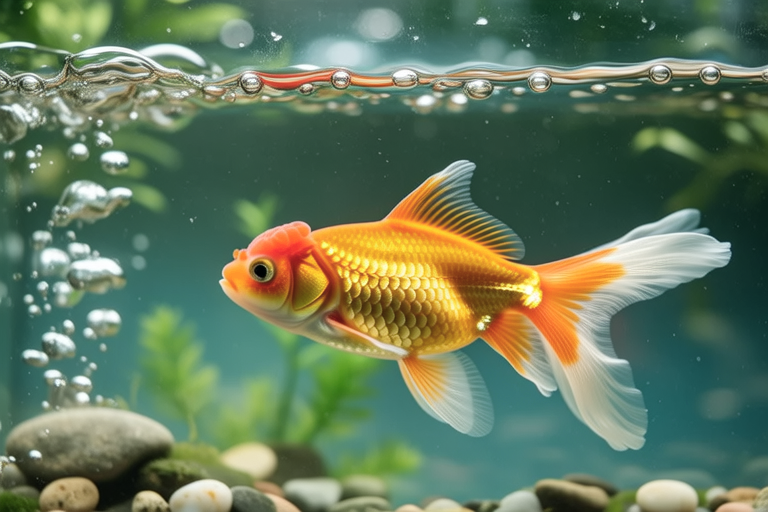
Top Secrets Every Goldfish Owner Should Know
Welcome to the wonderful world of goldfish ownership! These vibrant and lively creatures can bring joy and color to any home. Whether you’re a first-time owner or a seasoned enthusiast, there’s always more to learn about these fascinating fish. This guide will reveal some top secrets every goldfish owner should know, from essential care tips to common myths debunked and preventive measures for keeping your goldfish healthy.
Essential Tips on Goldfish Care
Caring for goldfish requires attention to detail and a commitment to their well-being. Start by ensuring that the water temperature stays between 68°F and 74°F (20°C and 23°C). Maintain a pH level between 6.5 and 8.0, and perform regular water changes to keep the environment clean and toxin-free. A good rule of thumb is to change about 25% of the water weekly.
Goldfish produce a lot of waste, so it’s crucial to have proper filtration. Filters help remove debris and harmful substances, maintaining water quality. Choose a filter that suits the size of your tank and the number of fish you have. For instance, a filter rated for a larger volume than your actual tank provides better filtration.
Another important aspect of goldfish care is handling them gently. When moving them from one tank to another, use a soft net and avoid squeezing them. Goldfish are sensitive, and rough handling can cause stress and injuries.
Common Myths Debunked
There are many misconceptions about goldfish that can lead to improper care. One popular myth is that goldfish only live for a year or two. In reality, with proper care, they can live up to 10 years or even longer. Another myth is that goldfish can survive in small bowls. This is far from true; goldfish need spacious environments to thrive. A single goldfish should have at least 20 gallons of water, while multiple fish require even more space.
It’s also commonly believed that goldfish don’t need feeding if they’re in a large tank. However, goldfish need regular meals to stay healthy. Feed them high-quality pellets or flakes specifically designed for goldfish. Avoid overfeeding, as excess food can pollute the water. A good guideline is to feed them what they can consume within a few minutes, once or twice daily.
Ideal Tank Setup
The ideal tank setup plays a significant role in the health and happiness of your goldfish. Start by choosing the right tank size based on the number of fish you plan to keep. As mentioned earlier, each goldfish needs around 20 gallons of water. For example, two goldfish would require a 40-gallon tank.
In addition to the tank, include appropriate decorations and hiding spots. Plants, rocks, and caves provide enrichment and security for your fish. However, ensure that decorations are safe and won’t harm the fish. Sharp edges or materials that can leach harmful chemicals into the water should be avoided.
Adequate lighting is also essential. Goldfish benefit from natural sunlight, but direct sunlight can promote algae growth. Use a timer to set a consistent light cycle, typically 8-12 hours per day. This helps regulate their circadian rhythms and promotes healthy behavior.
Dietary Needs
Understanding the dietary needs of goldfish is crucial for their overall health. Goldfish are omnivores and require a balanced diet consisting of plant matter and protein. High-quality commercial goldfish food is available in various forms, including pellets, flakes, and sticks. These foods are formulated to meet the nutritional requirements of goldfish.
In addition to commercial food, you can supplement their diet with fresh vegetables like zucchini, peas, and spinach. Thaw frozen brine shrimp or bloodworms occasionally for a treat. However, avoid feeding them bread, as it lacks necessary nutrients and can cause digestive issues.
Feeding times should be consistent, and portions should be controlled. Overfeeding can lead to obesity and poor water quality. Always monitor your goldfish during feeding to ensure they eat the appropriate amount.
Signs of a Healthy Goldfish
Observing your goldfish regularly helps identify signs of good health. A healthy goldfish swims actively, eats with enthusiasm, and has bright, clear eyes. Their fins should be intact and free from tears or discoloration. Their scales should be smooth and shiny, without any bumps or patches.
Regularly check the water parameters to ensure they remain within the optimal range. Stable water conditions contribute to the overall health of your goldfish. If you notice any unusual behavior, such as lethargy, loss of appetite, or abnormal swimming patterns, it may indicate illness or stress. Prompt action is necessary to address these issues.
Preventive Measures for Common Diseases
Prevention is key when it comes to avoiding common diseases in goldfish. Maintaining excellent water quality through regular maintenance and filtration is the best defense against most illnesses. Clean filters and perform water changes to prevent the buildup of harmful substances.
Quarantine new fish before introducing them to your main tank to avoid spreading disease. Observe the new fish closely for signs of illness, such as white spots, clamped fins, or labored breathing. If any symptoms are detected, separate the affected fish immediately and consult a veterinarian specializing in aquatic animals.
Stress is a common trigger for diseases in goldfish. Minimize stress by providing a stable environment with adequate space, proper lighting, and a consistent routine. Avoid sudden changes in water temperature or chemistry, which can shock the fish and weaken their immune systems.
Conclusion
By following these top secrets, you’ll be well-equipped to provide the best possible care for your goldfish. Remember, goldfish are social creatures that thrive in a healthy and enriching environment. With proper attention and care, your goldfish can enjoy a long and happy life. Happy fishkeeping!
