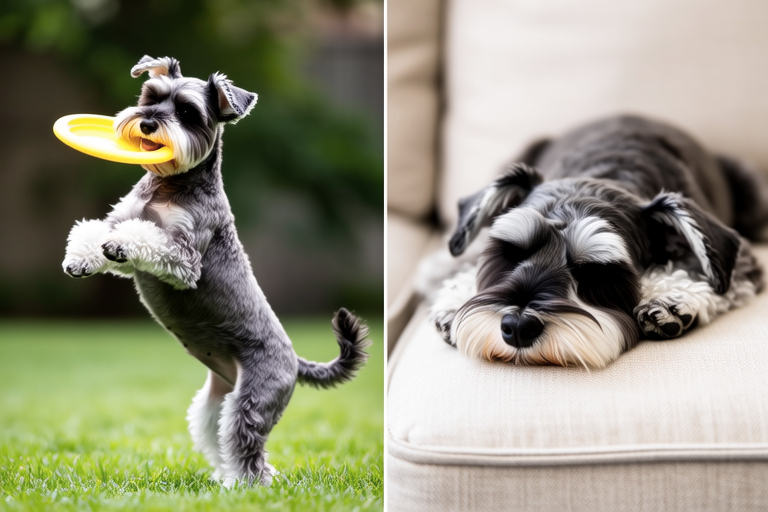
Max’s Journey: From Park Pup to Couch Potato
Once upon a time, there was a lively schnauzer named Max who spent his days frolicking in the local park. Max was the epitome of energy and enthusiasm, always ready for a game of fetch or a friendly tussle with fellow canines. His mornings were filled with early walks, followed by a midday nap under the shade of a tree. Afternoons brought more playtime, where he’d chase after frisbees or engage in spirited games of tag with his canine companions.
Max’s park routine was a well-oiled machine. Every day, he would meet up with his usual group of friends, including the dapper dachshund, Charlie, the playful poodle, Bella, and the gentle golden retriever, Duke. Their interactions were a delightful mix of competition and camaraderie. Max particularly enjoyed showing off his agility and speed during races, often leaving his friends in the dust.
As the seasons changed, so did Max’s social calendar. In spring, he participated in the annual park dog parade, proudly sporting his custom-made bow tie. Summer brought the best of times, with Max splashing in the sprinklers and cooling off in the nearby pond. Fall meant chasing leaves and participating in costume contests. Winter saw him bundled up, enjoying snowball fights and creating intricate tunnels in the snow.
One fateful day, Max’s world took a turn. An unfortunate incident occurred when he slipped on a patch of ice while returning home. The fall caused a sprain in his left hind leg, forcing him to rest for several weeks. During this period, Max’s owner, Sarah, adjusted her schedule to accommodate Max’s recovery, ensuring he received ample care and attention. However, the accident marked the beginning of a significant shift in Max’s lifestyle.
With the sprain came a newfound appreciation for the comforts of home. Max found solace in his plush dog bed and basked in the warmth of the sun streaming through the windows. His once-active body now craved rest, and he began spending more time lounging on the couch, watching the world go by. As time passed, Max’s once-slim figure started to fill out, and his daily routines became less about physical activity and more about naps and leisurely strolls around the block.
The transition from park pup to couch potato wasn’t without its challenges. Max faced weight gain, which led to decreased mobility and increased fatigue. Behavioral changes also emerged; Max became more irritable and less tolerant of disruptions to his new routine. Health issues such as joint pain and stiffness became prevalent, affecting his quality of life. Recognizing these changes, Sarah sought advice from a veterinarian specializing in pet health and wellness.
The veterinarian emphasized the importance of regular vet check-ups, particularly for aging or less active pets. They recommended a balanced diet tailored to Max’s needs, rich in lean proteins and essential nutrients, but low in calories to manage his weight. Mental stimulation was also crucial, and the vet suggested interactive toys and puzzle feeders to keep Max engaged and mentally sharp. Regular, gentle exercise, such as short walks and swimming, was advised to maintain muscle tone and flexibility.
With the vet’s guidance, Sarah implemented a structured routine for Max. Morning walks became shorter but more frequent, allowing him to enjoy the outdoors without overexertion. Interactive play sessions with toys designed to challenge his mind replaced some of the physical activities. Sarah also introduced puzzle feeders that required Max to work for his treats, providing both mental and physical engagement.
Despite the challenges, Max found joy and comfort in his new role. He developed a deep bond with Sarah, finding solace in her presence and the affectionate rubs she provided. Max’s days were now filled with moments of quiet reflection, interrupted only by the occasional visit from Charlie or Bella. His favorite pastime became watching birds from the window, imagining the adventures they might be having.
Max’s transformation offered hope for other aging or less active pets and their owners. It demonstrated that even with reduced mobility, pets could lead fulfilling lives filled with love, comfort, and purpose. By embracing the changes and adapting to a more sedentary lifestyle, Max and Sarah found a new way to enjoy each other’s company. This journey highlighted the importance of patience, understanding, and the willingness to adapt, ensuring that Max’s golden years were as happy and comfortable as possible.
In conclusion, Max’s story is one of resilience and adaptation. From his days as an energetic park pup to his current role as a cherished couch potato, Max’s journey showcases the love and support that can make any pet’s life meaningful. For other pet owners facing similar challenges, the key lies in regular veterinary care, a balanced diet, and creative ways to provide mental and physical stimulation. With these elements in place, pets can continue to thrive, even as their physical capabilities change.
