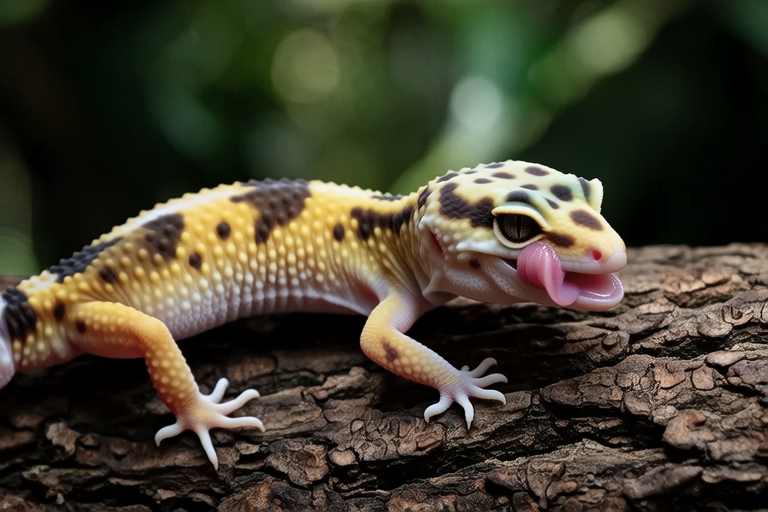
Top 10 Fascinating Facts You Didn’t Know About Chameleons
Chameleons are some of the most intriguing creatures on Earth, known for their remarkable ability to change color and their independently moving eyes. However, there’s much more to these fascinating reptiles than meets the eye. Here are ten lesser-known facts that will deepen your appreciation for these unique animals.
1. Chameleons Don’t Change Color to Blend In
One of the most popular misconceptions about chameleons is that they change color to blend into their surroundings. While it’s true that chameleons can alter their appearance, their primary purpose for doing so is communication and temperature regulation. Their color-changing abilities stem from specialized cells called chromatophores, which contain different pigments. By expanding or contracting these cells, chameleons can display a wide range of colors, from vibrant greens and blues to deep reds and browns. This process allows them to signal their mood, health status, or readiness to mate to other chameleons.
2. The Eyes of a Chameleon Can Rotate 360 Degrees
Chameleons have incredibly unique eyes that allow them to see in almost every direction simultaneously. Each eye can rotate independently, giving them a nearly 360-degree field of vision. This adaptation is particularly useful for spotting prey or potential threats without turning their entire head. Once they’ve located their target, the chameleon can then focus both eyes on the same point, providing binocular vision for depth perception and accurate aim when hunting.
3. Chameleons Are Exceptional Hunters
Chameleons are skilled hunters with a variety of tools at their disposal. Their long, sticky tongues can extend up to twice the length of their body, allowing them to catch insects with precision. The tongue’s tip is equipped with a specialized adhesive structure that helps it grip onto prey. Additionally, chameleons possess sharp, hooked claws that aid in climbing and holding onto branches while they hunt. These adaptations make chameleons formidable predators, capable of catching insects that might otherwise escape.
4. Chameleons Have a Unique Method of Digestion
Unlike many other reptiles, chameleons lack teeth for chewing food. Instead, they rely on a specialized digestive system that grinds down their meals. Once prey is caught, the chameleon swallows it whole, and powerful muscles in its stomach churn the food until it’s fully digested. This method ensures that even tough exoskeletons of insects are broken down efficiently, providing essential nutrients for the chameleon’s survival.
5. Chameleons Can Communicate Through Body Language
In addition to changing color, chameleons also use body language to communicate with one another. Males often display exaggerated movements, such as puffing out their throats or bobbing their heads, during courtship rituals or territorial disputes. Females may respond by flattening their bodies or flicking their tails, signaling their receptiveness or rejection. Understanding these signals is crucial for researchers studying chameleon behavior and social interactions.
6. Chameleons Have a Unique Reproductive Strategy
Most chameleons lay eggs, but some species give birth to live young. This reproductive strategy, known as viviparity, has evolved in certain chameleon species living in colder climates where egg-laying would be less successful due to limited time for incubation. Live-bearing chameleons provide internal nourishment to their developing embryos through a placenta-like structure, ensuring healthier offspring better suited to survive in harsh environments.
7. Chameleons Can Control Their Body Temperature
Unlike mammals and birds, which are endothermic (warm-blooded), chameleons are ectothermic (cold-blooded), meaning they rely on external sources of heat to regulate their body temperature. To maintain optimal conditions, chameleons bask in the sun to warm up and move into shaded areas when they become too hot. They can also adjust their skin color to absorb or reflect sunlight, helping them manage their body temperature efficiently.
8. Chameleons Have a Highly Diverse Diet
While insects form the bulk of a chameleon’s diet, these versatile reptiles have been observed eating a surprisingly diverse array of foods. Some species have been documented consuming small vertebrates like geckos or even bird hatchlings. Additionally, chameleons may supplement their diet with nectar or plant matter when prey is scarce. This adaptability plays a significant role in their survival across various habitats.
9. Chameleons Have a Long Lifespan
Compared to many other reptiles, chameleons enjoy relatively long lifespans. Depending on the species, they can live between five and twenty years in captivity, with some individuals reaching even older ages under ideal conditions. Factors such as diet, habitat quality, and genetic predisposition contribute to their longevity, making chameleons valuable subjects for longevity studies.
10. Chameleons Face Threats from Habitat Loss and Illegal Trade
Despite their widespread distribution across Africa, Madagascar, and parts of southern Europe, many chameleon species face significant threats to their survival. Habitat destruction due to deforestation and urbanization poses a major challenge, reducing available space for these arboreal reptiles. Furthermore, illegal trade for the pet industry exacerbates population declines, as wild-caught chameleons often struggle to adapt to captivity. Conservation efforts are vital to protect these remarkable creatures and ensure their continued existence in the wild.
These fascinating facts highlight just how extraordinary chameleons truly are. From their exceptional hunting skills to their complex social behaviors, these reptiles continue to captivate scientists and nature enthusiasts alike. As we learn more about chameleons, it becomes increasingly clear that preserving their habitats and addressing conservation challenges is essential for maintaining biodiversity and ensuring the survival of these incredible animals.
