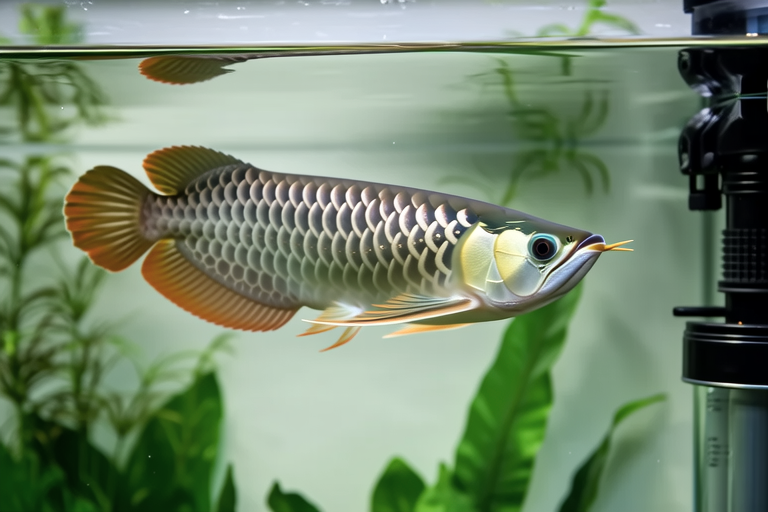
Top 10 Myths About Keeping Arowanas Busted!
When it comes to keeping arowanas as pets, there are numerous myths that can deter potential owners or mislead current ones. These misconceptions range from the impracticality of their care to the supposed difficulty in maintaining them. Understanding the truth behind these myths is crucial for anyone considering arowanas as part of their home aquarium. Not only does this knowledge help in providing better care for these magnificent fish, but it also promotes responsible pet ownership. This article aims to dispel ten of the most common myths about arowanas, offering scientific facts, expert advice, and practical tips for both novice and experienced aquarists.
Myth 1: Arowanas Require Specialized Saltwater Tanks
One of the most widespread myths about arowanas is that they need saltwater tanks to thrive. In reality, arowanas are freshwater fish native to Asia, particularly the Amazon River basin and its tributaries. They naturally inhabit rivers and streams with soft, slightly acidic water. Therefore, arowanas should be kept in freshwater tanks that mimic their natural environment. It’s essential to maintain appropriate water parameters, such as temperature (around 78°F to 84°F), pH levels (6.0 to 7.0), and hardness (1 to 5 dGH).
Myth 2: Arowanas Are Too Large For Home Aquariums
Another misconception is that arowanas are too large for home aquariums. While it’s true that arowanas can grow quite large, reaching lengths of up to 3 feet, they can still be accommodated in sufficiently sized tanks. The minimum tank size recommended for a single adult arowana is 125 gallons. Larger tanks are necessary for multiple fish or if you plan to keep other species alongside your arowana. Ensuring ample swimming space and proper filtration systems will help maintain a healthy environment for your fish.
Myth 3: Arowanas Need Live Food Only
There’s a belief that arowanas must have live food to survive. While arowanas are carnivorous and prefer live prey like feeder fish, they can adapt to a diet consisting of high-quality pellets and frozen foods. Pellets designed for predatory fish, as well as frozen options like shrimp, mussels, and bloodworms, provide balanced nutrition. Gradually introducing these alternatives to a live-food diet can help reduce stress and improve overall health.
Myth 4: Arowanas Are Aggressive And Unpredictable
Arowanas are often perceived as aggressive and unpredictable. However, they are generally peaceful and can coexist with other large, non-aggressive fish species. They tend to be territorial within their own species but are usually not aggressive towards other fish. Proper tank setup, including hiding spots and ample space, can help minimize territorial behavior. Regular feeding and maintaining a consistent routine can also contribute to a calmer demeanor.
Myth 5: Arowanas Don’t Need Any Decorations Or Plants
Contrary to popular belief, arowanas benefit greatly from having decorations and plants in their tank. These elements create a more natural habitat and provide hiding spots that reduce stress. Floating plants, driftwood, and rocks can be used to simulate their natural environment. Just ensure that any decorations are securely placed to prevent damage to the tank or injury to the fish.
Myth 6: Arowanas Can Be Kept With Any Fish
While arowanas are relatively peaceful, they cannot be housed with just any fish. Due to their size and predatory nature, smaller fish may become prey. It’s important to select tank mates that are similar in size and temperament. Species like catfish, larger cichlids, and some plecos can make suitable companions. Researching compatibility before adding new fish to the tank is always advisable.
Myth 7: Arowanas Are Difficult To Breed In Captivity
Breeding arowanas in captivity is indeed challenging, but not impossible. The main difficulties lie in replicating their natural breeding conditions, which include specific water parameters and environmental triggers. Some aquarists have successfully bred arowanas by carefully managing these factors. Patience and dedication are key when attempting to breed these fish. Consulting with experienced breeders or seeking guidance from professional aquarists can increase the chances of success.
Myth 8: Arowanas Require Constant Feeding
Another myth is that arowanas need constant feeding throughout the day. In fact, overfeeding can lead to health issues such as obesity and poor water quality. Arowanas should be fed two to three times daily, with each meal lasting no longer than five minutes. Offering varied and nutritious foods in controlled portions ensures optimal health and longevity.
Myth 9: Arowanas Can Survive In Poor Water Conditions
Despite their reputation for being hardy, arowanas cannot survive in poor water conditions indefinitely. They require clean, well-maintained water to thrive. Regular water changes, efficient filtration, and monitoring of water parameters are essential for maintaining a healthy environment. Neglecting these aspects can result in stress, disease, and ultimately, the demise of the fish.
Myth 10: Arowanas Are Expensive Pets
Finally, many believe that arowanas are prohibitively expensive pets. While initial costs can be high due to the need for a large tank, specialized equipment, and quality food, the ongoing expenses are comparable to those of other large fish species. Investing in arowanas requires careful planning and budgeting, but with proper care, they can provide years of enjoyment.
Summary
In conclusion, debunking these myths about arowanas is vital for promoting responsible pet ownership and ensuring the well-being of these fascinating creatures. By understanding their true needs and behaviors, potential and current owners can create a suitable environment that supports their health and happiness. Remember, while arowanas may have unique requirements, they are rewarding pets for those willing to meet their needs. Always research thoroughly and consult experts before making any decisions regarding their care. Happy fishkeeping!
