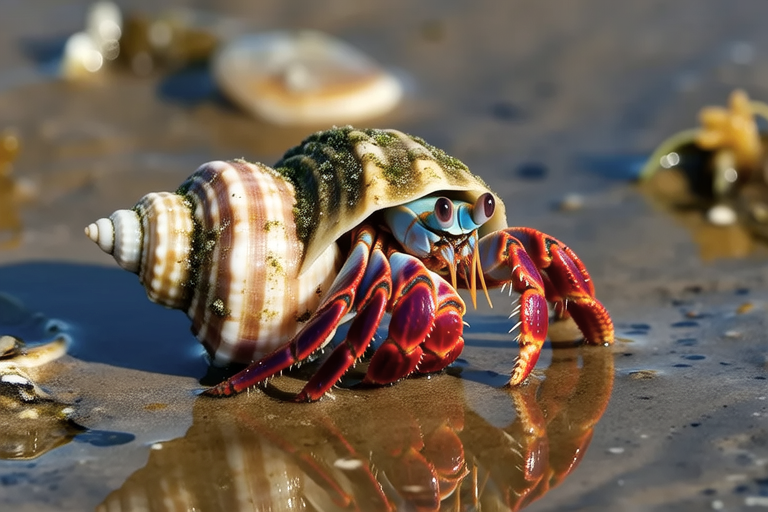
Hermit Crabs: Unique Behaviors, Habitat Requirements, and Care Tips
Hermit crabs are fascinating creatures with a variety of unique behaviors and habitat requirements. These small crustaceans have captured the hearts of many pet owners due to their quirky personalities and the responsibility they require in terms of care. In this article, we will explore the social structures, dietary needs, and the importance of proper shell selection for hermit crabs. We will also delve into their role in marine ecosystems, dispel common myths, and provide insights into their lifecycle and recent scientific discoveries.
Unique Behaviors and Social Structures
Hermit crabs are known for their complex social structures and unique behaviors. They are highly social creatures that live in groups, often sharing their shells with other hermit crabs. When it comes to mating, hermit crabs are polygamous, meaning they can mate with multiple partners. The female carries the eggs on her abdomen until they hatch, after which the larvae enter the water to develop further.
One of the most interesting behaviors of hermit crabs is their ability to change shells. As they grow, hermit crabs outgrow their current shell and must find a new one to protect their soft abdomens. This process is called “molting,” and it is essential for the crab’s survival. During molting, hermit crabs become vulnerable and may seek out secluded areas to avoid predators.
Habitat Requirements
Hermit crabs thrive in environments that mimic their natural habitats. They require a moist, humid environment with plenty of space to move around. A tank that is too small or dry can lead to stress and health problems for hermit crabs. It is important to provide a substrate that allows for digging and burrowing, such as sand or coconut fiber.
In addition to substrate, hermit crabs need access to saltwater and freshwater. Providing both types of water allows the crabs to regulate their hydration levels and maintain their health. It is crucial to keep the water clean and free from contaminants, as dirty water can cause illness.
Dietary Needs
Hermit crabs are omnivorous, meaning they eat both plant and animal matter. Their diet should include a variety of foods to ensure they receive all necessary nutrients. Some recommended foods for hermit crabs include fruits, vegetables, fish food, and commercial hermit crab pellets. It is important to avoid feeding them processed foods or foods high in sugar, as these can be harmful to their health.
Hermit crabs also require calcium to maintain strong exoskeletons. Providing calcium-rich foods such as cuttlebone or crushed eggshells can help meet this need. Additionally, offering a calcium supplement in their water can further support their health.
The Importance of Proper Shell Selection
One of the most critical aspects of hermit crab care is ensuring they have access to appropriate shells. Hermit crabs rely on shells for protection, and choosing the right shell is essential for their well-being. Shells should be large enough for the crab to fit comfortably but not too big, as this can make it difficult for the crab to carry.
When selecting shells for your hermit crabs, consider the size, shape, and weight. Avoid shells that are cracked or damaged, as these can pose a risk to the crab’s safety. It is also important to provide a variety of shells to allow for choice and competition among the crabs. Offering different sizes and shapes can encourage natural behavior and reduce stress.
Role in Marine Ecosystems
Hermit crabs play an important role in marine ecosystems by helping to break down organic material and recycle nutrients. They also serve as prey for larger animals, contributing to the food chain. In addition, hermit crabs can help maintain the balance of their environment by keeping populations of smaller organisms in check.
Despite their importance, hermit crabs face threats from human activities such as pollution and habitat destruction. Protecting their natural habitats and reducing our impact on the environment is crucial for their survival.
Dispelling Common Myths
There are several common myths surrounding hermit crabs that are worth addressing. One popular myth is that hermit crabs do not need saltwater, but this is false. Hermit crabs require both saltwater and freshwater to maintain their health and hydration. Another myth is that hermit crabs are solitary creatures, but this is also incorrect. Hermit crabs are highly social and benefit from living in groups.
It is also important to note that hermit crabs do not harm their shells, contrary to popular belief. While they may occasionally fight over shells, hermit crabs do not intentionally damage the shells they inhabit.
Lifecycle and Recent Scientific Discoveries
The lifecycle of hermit crabs begins with the hatching of larvae, which then develop in the water before emerging as juvenile crabs. As they grow, hermit crabs undergo several molts, each time shedding their old exoskeleton and growing a new one. The entire process can take several years, depending on the species and environmental conditions.
Recent scientific discoveries have shed light on the complex social behaviors of hermit crabs. Studies have shown that hermit crabs can recognize individual members of their group and exhibit cooperative behaviors. Additionally, research has revealed that hermit crabs may use chemical signals to communicate with one another, further highlighting their social nature.
Responsibilities of Owning Hermit Crabs as Pets
Owning hermit crabs as pets requires a commitment to providing proper care and attention. It is important to research the specific needs of the species you plan to keep and create an environment that meets those needs. Regular maintenance of the tank, including cleaning and providing fresh water, is essential for the health of your hermit crabs.
Additionally, it is important to handle hermit crabs gently and provide them with appropriate enrichment opportunities. This can include offering new shells, hiding spots, and opportunities for exploration. By taking these steps, you can ensure the well-being of your hermit crabs and provide them with a happy and healthy life.
